What Happens If You Delay Wisdom Teeth Removal?
There is a common pattern in dental offices. A patient comes in for a routine cleaning, hears that their wisdom teeth should probably come out, nods politely, then puts it off for six months, or two years, or until something starts to hurt. Sometimes nothing dramatic happens right away. That quiet stretch can make the recommendation feel Wisdom Teeth Removal optional.
But wisdom teeth have a way of turning a manageable situation into a more complicated one when they are ignored too long.
Delaying wisdom teeth removal does not always lead to disaster. Some people keep their third molars for life with no meaningful trouble. Others develop problems slowly, almost invisibly, until the cost, discomfort, and treatment become larger than they expected. The real issue is not whether every wisdom tooth must be removed. It is whether the specific teeth in your mouth are likely to stay healthy and accessible over time.
That distinction matters. It is the difference between careful monitoring and avoidable damage.
Why wisdom teeth become a problem in the first place
Wisdom teeth are the last permanent molars to develop, usually appearing in the late teens or early twenties. By the time they try to erupt, the jaw often has limited room left. Earlier generations may have had more jaw space due to differences in growth patterns, diet, and wear, but in modern practice many patients simply do not have enough space for four additional molars to come in cleanly.
When there is not enough room, a wisdom tooth may emerge only partway, stay trapped under gum tissue, remain buried in bone, or grow at an angle against the tooth in front of it. Dentists describe these patterns as impaction, but that word covers several very different realities. A fully buried tooth that is stable and far from neighboring roots is one thing. A partially erupted lower wisdom tooth that catches food and bacteria every day is another.
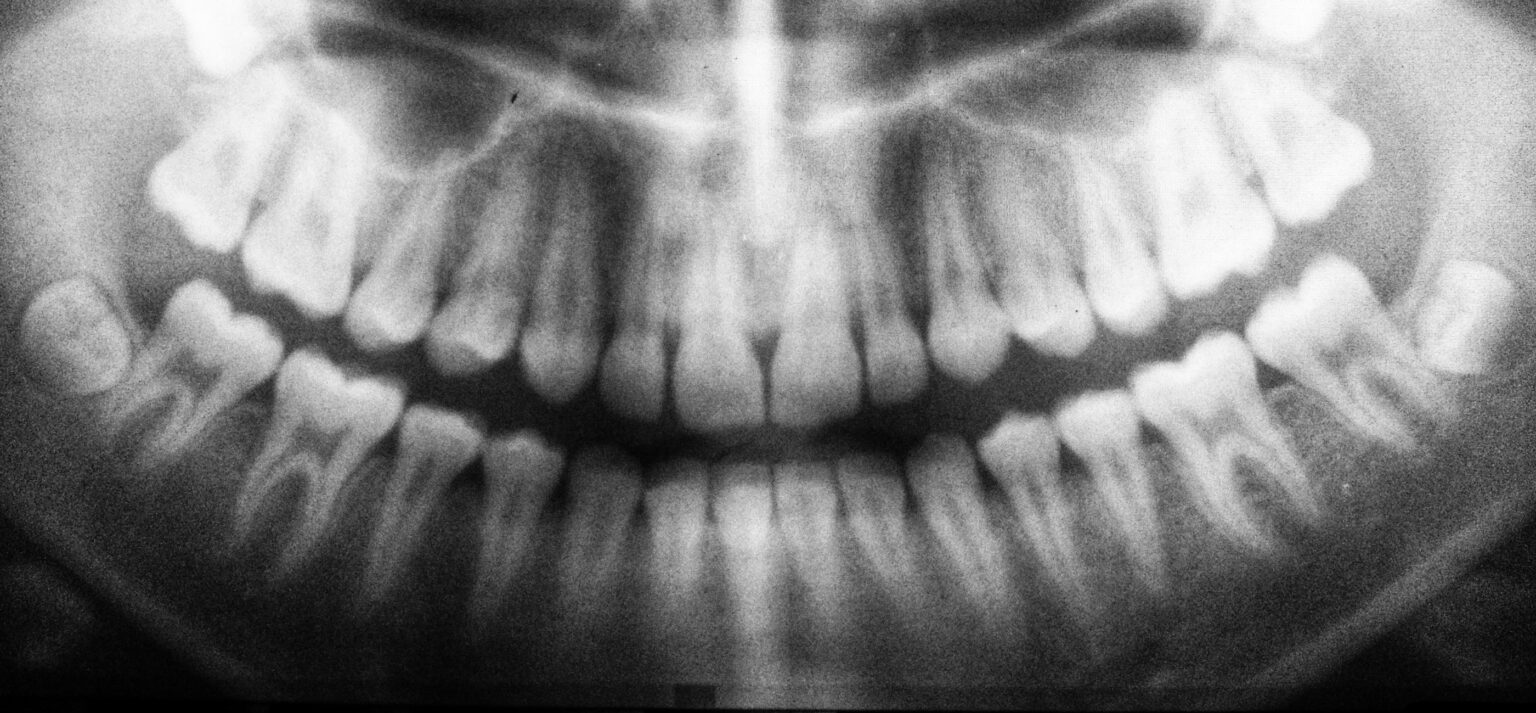
This is why two patients of the same age can receive very different advice. The X-ray, the angle of the tooth, the amount of visible gum coverage, and the health of the second molar next to it all matter.
Delay does not always look dangerous at first
One of the reasons people postpone Wisdom Teeth Removal is that the early signs can be mild. Maybe there is a little tenderness behind the last molar every few months. Maybe a bit of food gets stuck there. Maybe the gums feel swollen for a day, then settle down. People get busy, symptoms fade, and the urgency disappears.
From a clinical standpoint, that calm period can be misleading.
A partially erupted wisdom tooth creates a deep pocket that is hard to clean, even for patients who brush well and floss regularly. The area behind the second molar is awkward to reach, the gum flap can trap debris, and the normal bacteria in the mouth get an ideal hiding place. Infections in that space often start small, then recur. A patient may tell you, “It only bothers me once in a while,” but each episode can leave the tissues a little more inflamed and the surrounding structures a little more vulnerable.
A tooth does not need to hurt constantly to be causing damage.
The most common consequences of waiting too long
The risks of delay are not identical for everyone, but several patterns show up often enough to be worth taking seriously. Some are obvious, like pain and swelling. Others become visible only on an exam or X-ray.
Repeated gum infections
This is one of the most common scenarios with partially erupted lower wisdom teeth. A flap of gum tissue sits over part of the crown, forming a pocket where bacteria and food collect. The area becomes inflamed, swollen, and sore. Chewing can be uncomfortable. Sometimes the patient notices a bad taste or trouble opening wide.
These infections may improve with irrigation, better hygiene, and sometimes antibiotics, but if the anatomy has not changed, the problem often returns. That cycle can continue for months or years. Recurring inflammation is exhausting for patients and frustrating for clinicians because the underlying trap remains in place until the tooth is removed or, less commonly, fully erupts into a cleanable position.
Decay in the wisdom tooth, the neighboring molar, or both
Cavities behind the second molar are especially troublesome because they can be hard to detect early and difficult to restore well. When a wisdom tooth leans forward into the back of the second molar, plaque sits right where a toothbrush struggles to reach. Over time, decay can form on the wisdom tooth, the second molar, or both.
The frustrating part is that the second molar is usually far more valuable in daily chewing function than the wisdom tooth. Delaying treatment to “save” the wisdom tooth can, in some cases, put the healthier and more important adjacent tooth at risk.
I have seen cases where a patient ignored an asymptomatic impacted wisdom tooth for years, only to discover at a routine visit that the back of the second molar had developed a cavity extending below the gumline. Restoring that kind of damage is not always simple. Sometimes it needs a large filling. Sometimes a crown. In more advanced cases, the tooth becomes difficult to save predictably.
Gum and bone loss around the second molar
This is less discussed by patients because it usually does not announce itself with sharp pain. Food trapping and chronic inflammation around an impacted or partially erupted wisdom tooth can lead to periodontal damage on the back side of the second molar. That means loss of the supporting structures that keep the tooth stable.
In younger patients, removing the wisdom tooth before significant damage occurs often gives the area a good chance to heal. In older patients, especially after years of chronic inflammation, some of that periodontal damage may not fully reverse. This is one of the strongest arguments for timely evaluation rather than indefinite postponement.
Cysts and other changes around an unerupted tooth
A completely buried wisdom tooth can remain quiet for a long time. Still, the tissue surrounding an unerupted tooth can sometimes enlarge or form a cyst. These are not everyday findings, but they are real and clinically important. When they occur, treatment becomes more involved than straightforward extraction.
That does not mean every unerupted wisdom tooth is a ticking time bomb. It means silent does not always mean harmless. Monitoring has to be genuine monitoring, with periodic imaging and judgment, not simply forgetting the tooth exists.
Increased difficulty of surgery with age
This is one of the points oral surgeons discuss often because it affects recovery, not just the procedure itself. In general, wisdom teeth are easier to remove when root development is incomplete or not fully mature, the surrounding bone is less dense, and the tissues heal more quickly. Younger patients often recover faster and with fewer complications than patients who wait into their thirties, forties, or beyond.
Age alone does not determine outcome. Plenty of older adults have uncomplicated extractions. But on average, healing is less forgiving as the years pass, and the surgical plan may be more complex.
Why removal can get harder after years of waiting
Patients sometimes hear “better to remove them younger” and assume that is sales language. It is not. There are practical anatomical reasons.
As wisdom tooth roots finish developing, they may curve or sit closer to important structures, including the nerve canal in the lower jaw or the sinus in the upper jaw. Bone becomes denser with age. Longstanding inflammation can change the local tissues. Teeth that seemed simple to remove at nineteen may be more demanding at thirty-five.
This does not mean delay guarantees a difficult surgery. It means the odds shift. The procedure may take longer. Swelling may be more pronounced. Jaw stiffness may last longer. In some cases, the surgeon may discuss alternatives such as staged treatment, referral to a specialist, or leaving a small root fragment if removing it would create more risk than benefit.
That level of nuance is normal in adult oral surgery. Timing influences options.
Nerve risk and proximity to important anatomy
Lower wisdom teeth sit near the inferior alveolar nerve, which provides feeling to the lower lip and chin. Upper wisdom teeth can be close to the maxillary sinus. These relationships matter whether the teeth are removed early or late, but they become especially relevant when the roots are fully formed and intimately associated with adjacent structures.
Patients often focus on the fear of nerve injury and decide to postpone extraction because the teeth are not currently painful. That fear is understandable. It should be discussed honestly. But delay does not necessarily reduce the risk. Sometimes the opposite is true, especially if the roots continue to develop into a tighter relationship with the nerve canal.
A good surgeon weighs this carefully. Panoramic imaging is often enough for initial planning. In cases where the anatomy looks close, a three-dimensional scan may be recommended to understand the relationship more clearly. Treatment decisions then become more individualized. Sometimes full removal is still best. Sometimes a coronectomy, where the crown is removed and roots are intentionally left in place, is considered in selected cases. That is not a routine option for everyone, but it illustrates an important point: proper timing and imaging create better decision-making.
Pain is a late signal, not an early one
One of the biggest misconceptions around wisdom teeth is the idea that if they do not hurt, they are fine.
Dental disease often develops quietly. A cavity on the back of the second molar may be painless until it is deep. Bone loss does not usually cause early discomfort. A trapped food pocket can become chronically inflamed without severe symptoms. By the time pain is obvious, the treatment path may already be less simple than it would have been earlier.
That is why many dentists recommend evaluation even for symptom-free wisdom teeth. The goal is not automatic extraction. The goal is to understand whether observation is truly safe or just passively optimistic.
Situations where waiting may be reasonable
Not every delayed extraction is a mistake. Some wisdom teeth can be monitored safely, especially when they are fully erupted, functional, easy to clean, free of decay, and supported by healthy gums. Others remain fully buried in bone with no signs of pathology and no evidence of damaging the neighboring tooth.
In those cases, a dentist may recommend periodic review rather than removal. That is a legitimate, evidence-based approach when the teeth have favorable characteristics and the patient understands the need for follow-up.
What matters is that “watching” should mean more than hoping for the best. It usually involves clinical exams and occasional X-rays spaced according to age, risk, and prior findings. A patient who skips care for years is not truly monitoring the situation.
Signs that delay may already be causing trouble
If you are unsure whether your wisdom teeth are becoming a problem, certain patterns deserve prompt evaluation:
- Swelling, tenderness, or a bad taste around the back molars
- Food trapping that you cannot keep clean despite good brushing
- Repeated jaw soreness or limited opening during flare-ups
- Cavities or gum pockets developing on the tooth in front of the wisdom tooth
- Pressure, shifting sensation, or unexplained discomfort in the far back of the mouth
These signs do not always mean emergency removal, but they do mean the teeth should be assessed rather than ignored.
The age question, and why dentists often raise it
Many recommendations about Wisdom Teeth Removal happen in the mid to late teen years. Patients and parents sometimes wonder whether that timing is too early, especially if the teeth are not causing symptoms. The reason the issue comes up then is practical. By that age, imaging usually shows the direction and position of the developing third molars well enough to identify clear risk patterns, even before the roots are complete.
When the angle is unfavorable, space is obviously limited, and the second molars are at risk, early removal can prevent a longer chain of problems. Recovery in healthy younger patients is often smoother. Missing school or work for a few days is usually easier to plan than dealing with an acute infection during a demanding stretch of adult life.
Still, blanket rules are not ideal. A seventeen-year-old with well-positioned wisdom teeth and plenty of space may not need surgery right away. A twenty-eight-year-old with recurrent infections likely should not keep postponing it. Timing should be individualized.
What patients often get wrong about “crowding”
Many people believe wisdom teeth push the front teeth forward and directly cause late lower incisor crowding. This idea has circulated for decades. In clinical practice, crowding in early adulthood is common, but wisdom teeth are not considered the sole or even primary cause in most cases. Teeth shift for several reasons over time, including growth changes and natural settling.
Where wisdom teeth do cause clear trouble is farther back, around the second molars and the surrounding gums. That damage is much easier to demonstrate on an exam than the theory that they are responsible for all late crowding.
So if your only concern is that wisdom teeth might make the front teeth crooked, that alone is usually not the strongest reason for removal. If your concern is decay, infection, bone loss, or lack of space in the back, the conversation becomes much more concrete.
Recovery tends to be more straightforward when the situation is elective
There is a noticeable difference between planned surgery on a stable, noninfected site and urgent treatment after repeated flare-ups. When a patient schedules extraction at a sensible time, they can prepare. They can arrange time off, stock appropriate foods, review medications, and go into the procedure with tissues that are not actively inflamed.
By contrast, when someone waits until the area is swollen, painful, and infected, treatment may need to happen in stages. The surgeon may first control the infection, then extract later when the tissues are calmer. That means more appointments, more disruption, and often more stress than if the decision had been made earlier.
This is one of the less visible costs of delay. It is not just about medical risk. It is about losing the advantage of planning.
What determines whether immediate removal is the right call
Dentists and oral surgeons usually weigh several factors together rather than basing the decision on one X-ray alone. The most important ones include:
- Whether the tooth is fully erupted, partially erupted, or deeply impacted
- The angle of the tooth and its effect on the second molar
- Evidence of infection, decay, gum disease, or cyst formation
- The patient’s age, medical history, and healing profile
- How likely the area is to remain cleanable and stable over time
A sensible recommendation balances present findings with future risk. It is part anatomy, part experience, and part judgment.
If you have already delayed, what to do next
The first step is not panic. Plenty of people postpone wisdom teeth treatment and still do well. The next step is to get a current assessment rather than relying on an old X-ray or an assumption that nothing has changed.
A proper evaluation usually includes an exam and updated imaging. If the wisdom teeth are still quiet and the neighboring structures look healthy, continued observation may be reasonable. If there is evidence of damage or recurring inflammation, you can make a treatment plan before the problem escalates further.
Ask practical questions. Is the adjacent second molar at risk? Are there existing cavities or gum pockets? How close are the lower roots to the nerve? Would a general dentist manage the extraction comfortably, or is an oral surgeon the better choice? How might your age affect healing now compared with a few years ago?
Those answers matter more than generalized advice from friends who had an easy extraction at eighteen or Wisdom Teeth Removal oxdentistry.com a rough one at thirty-two. Their experience is not your anatomy.
The real cost of postponement
When patients think about delaying wisdom teeth removal, they often focus on avoiding short-term inconvenience. They want to avoid a few days of swelling, soft foods, or missed work. That is understandable. Surgery is never nothing.
But postponement has its own costs. Sometimes those costs are physical, like infection, decay, or damage to the second molar. Sometimes they are financial, because treating the consequences can be more expensive than addressing the wisdom tooth earlier. Sometimes they are logistical, because the extraction that could have been scheduled calmly becomes an urgent problem during a busy season of life.
And sometimes nothing happens at all, at least for a long while. That possibility is what makes the decision tricky. Not every delayed extraction leads to trouble. The problem is that once trouble becomes visible, some of the preventable damage has already occurred.
The best approach is neither automatic removal nor indefinite avoidance. It is informed timing. If your wisdom teeth are healthy, fully accessible, and truly low risk, careful monitoring may be appropriate. If they are partly trapped, difficult to clean, harming the tooth beside them, or repeatedly inflaming the gums, delay rarely improves the situation.
Wisdom teeth tend to become easier to ignore before they become easier to live with. That is why a clear diagnosis and a realistic discussion with your dentist or oral surgeon matter so much.
Oxnard Dentistry
1730 E Gonzales Rd, Oxnard, CA 93036, United States
+1 805-307-8731
FAQ About Wisdom Teeth Removal
How painful is it to remove a wisdom tooth?
Local anesthetic numbs the area during extraction. Pressure may still be noticeable; tell the dentist if you feel pain. Soreness and swelling afterward are common. Follow the pain-control instructions provided for your situation.
How long is recovery for wisdom teeth extractions?
Recovery varies with the tooth position and complexity of the extraction. Some people resume routine activities quickly, while others need several days of rest. Soreness, swelling and jaw stiffness can last up to two weeks. Follow your clinician's aftercare and activity advice.
What are the risks of wisdom tooth removal?
Possible complications include dry socket, infection, persistent bleeding and changes in sensation from nearby nerve injury. Your dentist or oral surgeon should explain your individual risks before treatment. Seek prompt dental advice for bleeding that will not stop, fever, or severe or worsening pain and swelling.
Ends · GARRETTODWE057