Who Is a Good Candidate for Veneers in Oxnard CA?
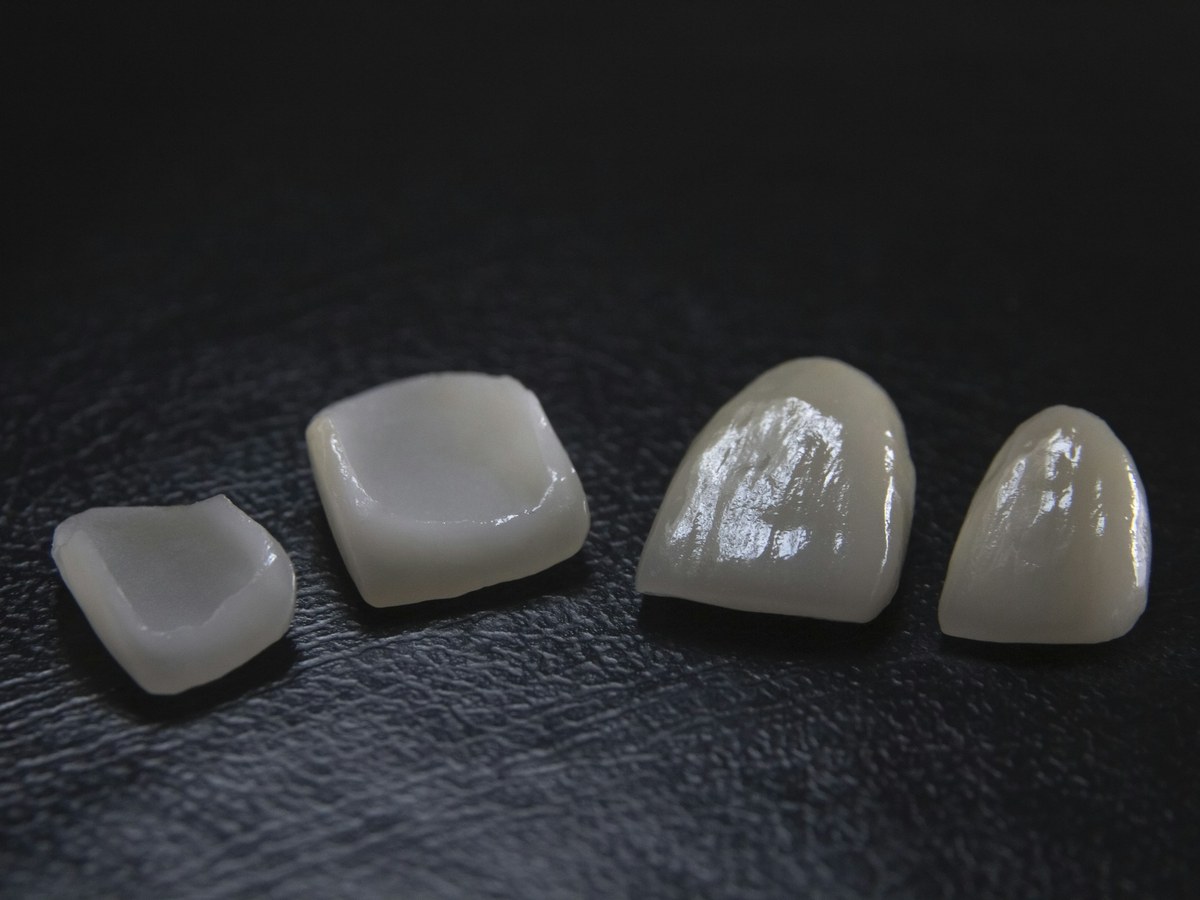
A patient usually asks about veneers at a very specific moment. They are not simply curious about cosmetic dentistry. They have reached the point where they notice one or two things about their smile every single day, a chipped front tooth in photos, uneven edges that catch the light, stains that never seem to lift, or small gaps that make them self-conscious when they speak. Veneers can be an excellent solution, but not every smile concern should be treated with veneers, and not every patient is the right fit on the first visit.
That distinction matters. Veneers can create beautiful, durable results, but they work best when they are chosen for the right reasons, placed on healthy teeth, and designed around the patient’s bite, habits, and long-term goals. In a place like Oxnard, where people spend plenty of time outdoors, socialize often, and tend to care about a natural, polished appearance, it makes sense that interest in cosmetic dentistry stays high. Still, a good veneer candidate is not defined by style or age. It comes down to oral health, expectations, and whether veneers solve the actual problem better than bonding, whitening, orthodontics, or crowns.
What veneers really do well
Porcelain veneers are thin custom shells bonded to the front surface of visible teeth, most often the upper front teeth and sometimes the lower front teeth. Their strength lies in refinement. They can reshape teeth, improve color, close minor gaps, soften asymmetry, and create a more even smile line. A well-made veneer does not look like a sticker placed on a tooth. It looks like enamel with excellent light reflection and carefully controlled contour.
The best veneer cases tend to involve concerns that are visible when a person smiles but do not require major structural rebuilding. Think of the patient with two front teeth that are healthy yet slightly worn and uneven, or someone whose enamel has intrinsic discoloration that whitening has not improved. In those situations, veneers can be transformative without being excessive.
On the other hand, veneers are not a shortcut for every dental issue. If the real problem is a deep bite that is actively chipping teeth, untreated gum disease, widespread decay, severe crowding, or nightly grinding that has already damaged restorations, veneers may be the wrong first step. Cosmetic work lasts longer and looks better when the foundation is stable.
The strongest candidates usually share a few traits
There is no single perfect profile, but experienced cosmetic dentists tend to look for the same fundamentals. A strong candidate for Veneers Oxnard CA usually has healthy teeth and gums, specific cosmetic concerns, and a clear idea of what improvement means to them. They are motivated, but they are also realistic.
Most successful candidates fit several of these points:
- Their teeth and gums are generally healthy, with no uncontrolled decay or active periodontal disease.
- They want to improve color, shape, proportion, mild spacing, or minor chips rather than fix major structural damage.
- Their bite is reasonably stable, or any bite issues can be addressed before treatment.
- They understand that veneers are a long-term restoration and will need maintenance and eventual replacement.
- They want a natural-looking result, not an artificial uniform look that ignores facial features.
That last point is more important than many patients realize. The most attractive veneer cases rarely announce themselves as veneers. They look like someone was born with cleaner edges, brighter enamel, and better balance. Good cosmetic dentistry respects the face, age, lip movement, skin tone, and even personality. A 28-year-old fitness instructor, a 45-year-old attorney, and a 67-year-old retiree may all be good veneer candidates, but their ideal smile designs will not be identical.
Healthy gums and stable teeth come first
A patient can have strong motivation and still not be ready. If the gums bleed easily, if there is active decay around old fillings, or if plaque control has been inconsistent, cosmetic treatment should pause until the basics are under control. Veneers rely on a clean, healthy environment. Inflamed gum tissue makes it difficult to capture accurate impressions or scans, and unhealthy gums can obscure the final appearance of the margins where the veneer meets the tooth.
This is one of the most common misunderstandings in cosmetic consultations. People often believe veneers will somehow cover deeper dental problems. They do not. They improve the visible front surface of a tooth. They do not cure gum disease, stop cavity progression, or strengthen a tooth weakened by large decay. In practice, a dentist may recommend a hygiene phase, periodontal treatment, or replacement of defective fillings before even discussing final veneer design.
The same principle applies to bite stability. A person who clenches constantly may still be a candidate, but only with careful planning and usually a night guard afterward. A patient with severe enamel wear from grinding can be more complex, because the cosmetic issue and the functional issue are tangled together. Those are not impossible cases, but they require more than simply placing thin porcelain on the front teeth and hoping for the best.
Cosmetic concerns that veneers address especially well
Some smile complaints are tailor-made for veneers. Discoloration is one of the big ones, particularly when it sits inside the tooth structure rather than on the surface. Tetracycline staining, patchy fluorosis, or darkened teeth after previous trauma can resist whitening. In those cases, veneers often provide a more predictable color correction than repeated bleaching attempts.
Shape discrepancies are another strong indication. Small lateral incisors, worn edges, teeth with naturally irregular contours, or front teeth that look too short compared with the rest of the smile can often be improved beautifully with veneers. Minor spacing can also be a good fit. A tiny gap between the front teeth or subtle black triangles near the gumline may be addressed with careful contour changes, though not every space should be closed this way. If a gap is large or linked to broader alignment issues, orthodontics may be the better route.
Chips and fractures often bring patients in as well. If the damage is limited and the tooth remains structurally healthy, veneers can restore continuity and appearance with a very natural finish. Bonding may work for small repairs, but porcelain generally offers better stain resistance and long-term polish. The trade-off is that veneers involve more planning and greater cost, so the best choice depends on the size of the defect, the bite, and how visible the tooth is when speaking and smiling.
When veneers are not the best first answer
One of the most responsible things a cosmetic dentist can do is say, “not yet,” or even “not this treatment.” That is not a rejection of the patient’s goals. It is good judgment.
If the teeth are significantly crowded or rotated, veneers may camouflage the problem only to a limited degree. Trying to force very crooked teeth into a straight appearance with porcelain can create bulky contours that feel and look unnatural. In those cases, short-term orthodontics or clear aligners often create a much better foundation. After alignment, some patients no longer want veneers at all. Others choose a smaller number of veneers because far less shape correction is needed.
Patients with very large fillings, weakened tooth structure, or fractures extending beyond the front surface may need crowns rather than veneers. A veneer covers the facial aspect of a tooth and wraps slightly around the edge when indicated, but it is not designed to rebuild a tooth that has lost substantial internal support.
Then there is the issue of expectations. A patient who wants a “perfect celebrity smile” without any variation, translucency, or age-appropriate character may be disappointed even by excellent work, especially if what they truly want would not harmonize with their features. The best candidates are looking for enhancement, not disguise. They want their smile to look better, but still look like it belongs to them.
Age matters less than enamel, habits, and judgment
Adults across a broad age range can be candidates for veneers. There is no magic number at which veneers become appropriate. What matters more is whether the teeth and gums are mature and healthy, whether the bite is stable, and whether the patient understands the long-term commitment.
Younger adults often ask about veneers for small gaps, edge irregularities, or discoloration after orthodontic treatment. Sometimes veneers are appropriate. Just as often, conservative options like whitening and bonding deserve discussion first. That is especially true when enamel is pristine and the correction needed is modest. Preserving tooth structure remains a priority.
Older adults may actually be excellent veneer candidates because they often have clear treatment goals and realistic expectations. Mild wear, flattening of the front teeth, and changes in color are common with age. Veneers can restore brightness and youthful proportions without making the smile look overdone. The key is to match the restoration to the person, not to a trend. A smile that suits a 60-year-old executive may be brighter and more refined than before, while still retaining believable shape and softness.
The consultation reveals almost everything
A meaningful veneer consultation is not just a quick glance at the front teeth. It should include photographs, bite evaluation, gum assessment, a close review of existing restorations, and a discussion about habits like clenching, nail biting, or using teeth as tools. The dentist is looking beyond what bothers the patient aesthetically. They are trying to predict how the veneers will function five, ten, or fifteen years down the line.
In practical terms, a dentist may ask whether you have had whitening before, whether your jaw feels sore in the morning, whether old bonding chips often, or whether you are bothered by one tooth or the whole smile. Those details matter. Someone who says, “I only hate this one dark tooth in every photo,” may need a very different approach from someone who says, “I avoid smiling because everything looks uneven.”
Mock-ups and digital previews can be useful during this stage, though they are not guarantees. They help patients understand proportion, length, and overall character. Sometimes a person thinks they want dramatically longer teeth until they see how that would affect lip support and speech. Other times, a modest change in width or edge contour solves the concern better than a brighter shade ever could.
A few signs that someone may need a different treatment path first
Not every obstacle is permanent. Many are simply signs that sequencing matters. Before veneers are considered, some patients need foundational care.
Watch for these common red flags:
- Frequent jaw tension, tooth grinding, or repeated chipping of past dental work.
- Bleeding gums, gum recession, or untreated periodontal disease.
- Active cavities or leaking old restorations on teeth being considered for treatment.
- Significant crowding, bite problems, or spaces too large to close naturally with veneers alone.
- Expectations focused on “perfect” teeth rather than a healthy, natural, durable result.
If any of these are present, that does not automatically rule out veneers. It means the case needs a more deliberate plan. Often the eventual cosmetic result is stronger because the underlying issues were addressed first.
Porcelain veneers versus bonding, whitening, and crowns
A good candidate for veneers is also someone whose goals line up with what veneers do better than the alternatives. This is where clinical judgment matters.
Whitening is the least invasive option for generalized staining when tooth shape is already attractive. If the main complaint is yellowing from coffee, tea, red wine, or age-related darkening, whitening may provide enough improvement on its own. It is faster, less expensive, and preserves all tooth structure. But it cannot correct shape, chips, or internal color irregularities very well.
Bonding works beautifully for small chips, limited gaps, and shape tweaks. It is conservative and often completed in one visit. The downside is maintenance. Composite resin can stain, dull, or chip over time, especially in heavy-use areas or in patients who bite their nails or grind. For the right patient, that is an acceptable trade. For others, porcelain’s stability is worth the added investment.
Crowns belong in the conversation when a tooth is heavily restored, cracked, or structurally compromised. They cover more of the tooth and provide broader reinforcement. If a patient asks for veneers on teeth that already have large failing fillings or weakened cusps, a crown may simply be safer.
What separates a strong veneer candidate from everyone else is that veneers offer the best balance of esthetics, conservation, and longevity for their particular situation.
Lifestyle and maintenance are part of candidacy
This part often gets less attention than smile design, yet it strongly influences long-term success. Veneers are durable, but they are not indestructible. Patients who chew ice, tear open packaging with their front teeth, grind heavily without a night guard, or skip routine cleanings will have a harder time protecting their investment.
Maintenance is usually straightforward. Excellent home care, regular professional cleanings, and periodic exams go a long way. Many patients with veneers also benefit from a custom night guard, especially if they clench in their sleep or have a history of wear. In everyday life, common sense matters more than obsession. You do not need to be afraid of normal foods, but using the front teeth like tools is never a good idea.
This is where honest self-assessment helps. A patient who admits, “I know I grind and I have broken two retainers,” is often easier to plan for than the one who insists there are no habits despite visible evidence of wear. Cosmetic dentistry does best when the patient and dentist are candid with each other.
What the process typically looks like
Patients often feel more comfortable once they understand the sequence. Though every office has its own workflow, veneer treatment usually follows a fairly predictable path:
- Consultation, photographs, examination, and discussion of goals and alternatives.
- Planning and design, which may include scans, impressions, mock-ups, or shade selection.
- Tooth preparation when indicated, followed by temporary veneers in many cases.
- Final placement of the porcelain veneers after fit, color, and bite are carefully checked.
- Follow-up and long-term maintenance, often including a protective night guard if needed.
That sequence sounds simple on paper, but the quality lives in the details. Tiny decisions about edge translucency, facial contour, surface texture, and length can determine whether the final result looks elegant or obvious. This is why dentist experience and laboratory communication matter so much. The strongest results come from careful planning, not speed.
What “natural-looking” actually means
Patients say they want natural-looking veneers all the time, but that phrase can mean several different things. For one person, it means no one should notice they had dental work. For another, it means brighter and more symmetrical than nature would usually provide, but still believable. Clarifying that difference is part of determining candidacy.
Natural-looking veneers usually have subtle translucency at the edges, contours that match the lips and face, and a shade that complements the complexion rather than overpowering it. They are not always ultra-white, and they are almost never flat or opaque. Teeth in real life reflect light with depth. Good porcelain imitates that.
This is particularly relevant in highly visible front teeth. Overbuilt veneers can change speech, collect plaque near the gumline, and create a “too perfect” look that ages poorly. The best candidates appreciate nuance. They care about the artistry as much as the brightness.
Questions worth asking before you commit
A patient does not need to know the technical side of dentistry to make a good decision, but asking the right questions helps. Ask what alternatives exist and why veneers are recommended over bonding, whitening, or orthodontics. Ask how many teeth need treatment to achieve balance. Ask whether your bite or grinding Veneers Oxnard CA habits affect the plan. Ask what maintenance looks like and what kind of longevity is realistic in your case.
It is also worth asking to see examples of work that reflect the style you want. Some practices specialize in ultra-bright smile makeovers. Others lean toward subtle, conservative enhancement. Neither approach is universally right. The right one is the one that matches your face, preferences, and oral condition.
So who is a good candidate for veneers in Oxnard CA?
The short answer is this: a good candidate is someone with healthy teeth and gums, cosmetic concerns that veneers are designed to fix, stable enough bite conditions to support long-term success, and expectations grounded in natural, lasting improvement. The ideal patient is not chasing a trend. They want their smile to feel polished, confident, and believable.
In real clinical life, that often describes the person with stained or uneven front teeth that whitening cannot solve, minor chips or spacing, good daily hygiene, and willingness to maintain the work properly. It can also describe someone who is not quite ready yet, but could become an excellent candidate after gum treatment, orthodontic alignment, replacing old restorations, or getting grinding under control.
That is the value of a thoughtful cosmetic evaluation. Veneers are neither a miracle fix nor an indulgence without purpose. For the right patient, they can be one of the most effective and satisfying treatments in dentistry. The key is making sure the smile is ready for them, and that the treatment plan respects both beauty and biology.
Oxnard Dentistry
1730 E Gonzales Rd, Oxnard, CA 93036, United States
+1 805-307-8731
FAQ About Veneers Oxnard CA
How long do porcelain veneers last?
Porcelain veneers can last for many years, but they can chip, loosen, or wear over time. Their lifespan depends on factors such as your bite, whether you grind your teeth, and daily care. Regular dental visits let your dentist check their condition.
Are dental veneers permanent?
Traditional veneers often require removing a small amount of enamel, so that change to the tooth is generally irreversible. Veneers can still need repair or replacement. Ask your dentist how much preparation your teeth would require.
How much do veneers cost in Oxnard?
Cost depends on the material, how many teeth you want treated, and whether you need other dental work first. Ask for a written estimate that explains the price per tooth and what is included.
Ends · GARRETTODWE057