Wisdom Teeth Removal Oxnard CA: Answers to Frequently Asked Questions
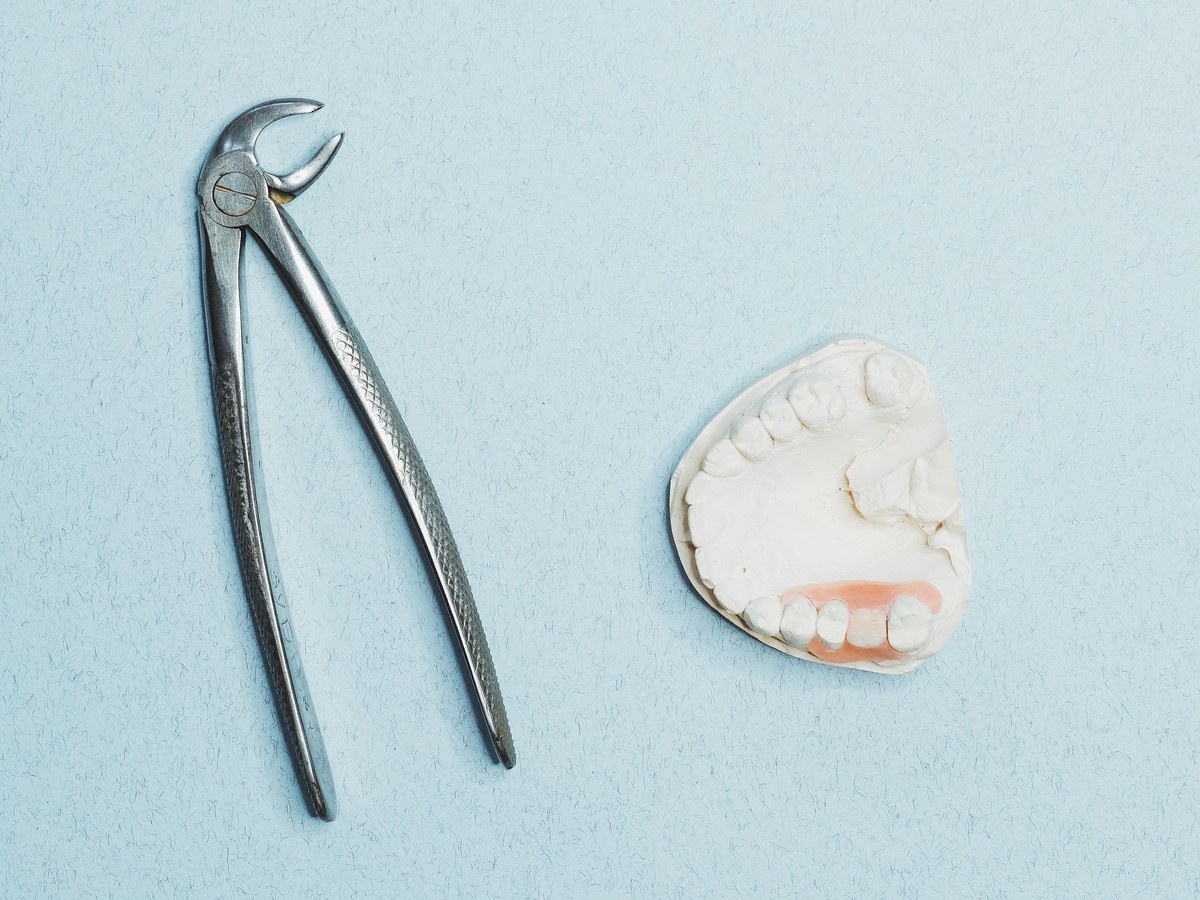
If you have been told that your wisdom teeth need to come out, you are probably weighing two things at once. First, whether the procedure is truly necessary. Second, what the experience will actually be like, from the consultation to the first night of recovery. Those are reasonable questions. Wisdom teeth removal is common, but that does not make it minor in the mind of the person sitting in the chair.
Patients looking into Wisdom Teeth Removal Oxnard CA often ask the same core questions, though the reasons behind them vary. A parent may be calling for a teenager whose orthodontist noticed crowding. A college student may be dealing with recurrent gum swelling around a partially erupted molar. An adult in their thirties may have gone years without issues, only to learn that a wisdom tooth has developed decay or is pressing against a neighboring tooth. The details matter, because wisdom teeth do not behave the same way in every mouth.
What follows is a practical, experience-based look at the questions patients most often ask.
What exactly are wisdom teeth, and why do they cause so many problems?
Wisdom teeth are the third molars, the last set of large chewing teeth that usually develop in the late teens or early twenties. Most people have up to four, one in each back corner of the mouth. Some people never develop all four. A few never develop any at all. Others have teeth that form but stay completely hidden under the gums and bone.
The reason they create trouble is simple. Modern jaws often do not have enough room for these teeth to erupt in a healthy position. When a wisdom tooth tries to come in without adequate space, it may angle forward into the second molar, lean backward, remain trapped below the gumline, or partially break through. That partial eruption is especially troublesome. It creates a space where bacteria and food debris collect, but the area is hard to clean well with a toothbrush or floss.
I have seen patients who assumed the problem was a routine sore throat or sinus pressure, only to find that the real issue was an inflamed gum flap over a lower wisdom tooth. I have also seen patients with no pain at all whose x-rays showed a sideways impacted tooth damaging the tooth next to it. That range is why x-rays and a clinical exam matter more than symptoms alone.
How do I know if my wisdom teeth need to be removed?
Not every wisdom tooth must be removed. That point gets lost sometimes. If a wisdom tooth has fully erupted, sits in a functional position, can be cleaned properly, and is not harming surrounding structures, a dentist or oral surgeon may recommend monitoring rather than removal.
Removal is commonly advised when a wisdom tooth is impacted, partially erupted, decayed, infected, associated with gum disease, crowding adjacent teeth, or creating a risk to the second molar. Cysts can also form around impacted teeth, though that is less common. Sometimes the recommendation is preventive, especially when imaging shows a high chance of future problems and the tooth is unlikely to come in normally.
Age can influence the timing. Younger patients often heal faster, and their roots may not be fully developed yet, which can simplify removal. That does not mean older adults cannot have wisdom teeth removed successfully. They can, and many do. It simply means the decision often involves balancing present symptoms, future risk, and the complexity of the extraction.
If you are hearing mixed advice, ask your provider to show you the x-ray and explain exactly what they see. A good consultation should make the recommendation feel understandable, not mysterious.
Is pain the main sign that something is wrong?
No, and that surprises people. Pain is one sign, but it is not the only one, and sometimes it is absent until the problem has progressed. Swelling behind the back molars, bad taste, difficulty opening fully, recurrent gum tenderness, food trapping, headaches related to jaw irritation, and sensitivity in the second molar can all point to wisdom tooth trouble.
There are also cases where a patient feels fine, but the x-ray shows decay on the back side of the second molar caused by an impacted wisdom tooth pressing against it. That can become a much bigger problem than the wisdom tooth itself. Saving the second molar, which is a very useful tooth, is often part of the reason for recommending removal.
One practical rule is this. If the area behind your last visible molar repeatedly gets sore, swollen, or hard to clean, it deserves an evaluation.
What happens during the consultation?
A consultation is usually more straightforward than patients expect. The provider reviews your medical history, medications, allergies, past experiences with anesthesia, and current symptoms. They examine the mouth and review x-rays, often a panoramic image that shows the position of the wisdom teeth, their roots, and nearby structures such as the sinus in the upper jaw or the inferior alveolar nerve in the lower jaw.
That nerve comes up often because lower wisdom teeth can develop close to it. When that happens, the surgeon evaluates the relationship carefully and discusses the risks in plain terms. Temporary numbness in the lip, chin, or tongue is uncommon but possible in some lower extractions, especially if roots are close to the nerve. A careful consultation should not gloss over that. It should explain both the likelihood and the steps taken to reduce risk.
This is also the time to talk about sedation options, expected recovery, whether all four teeth should come out at once, and how much time you should take off from work, school, athletics, or childcare.
Are all four wisdom teeth usually removed at the same time?
Often, yes, but not always. If all four are problematic or likely to become problematic, removing them in one appointment is common and usually more convenient. It means one sedation event, one recovery period, and one stretch of dietary restrictions.
That said, staged treatment can make sense in certain situations. Maybe only the lower teeth are impacted. Maybe an upper wisdom tooth is fully erupted and healthy, while a lower one is causing repeated infection. Maybe a patient is pregnant and timing needs to be adjusted carefully. Maybe the medical history suggests a more conservative approach. Good treatment planning is individualized, not automatic.
For teenagers and young adults, taking out all indicated wisdom teeth in one visit is often efficient. For older adults, especially those with one clearly diseased wisdom tooth and three stable ones, the conversation may be more nuanced.
What are the options for anesthesia or sedation?
This is one of the most common concerns, and understandably so. Patients often say they are less worried about the extraction itself than about being awake for it.
The right choice depends on the difficulty of the case, the patient's health, and their comfort level. Common options include the following:
- Local anesthesia, which fully numbs the area while you remain awake.
- Nitrous oxide, sometimes called laughing gas, used along with local anesthesia to reduce anxiety.
- Oral sedation, where prescribed medication helps you relax before and during the procedure.
- IV sedation, which places you in a deeply relaxed state and is commonly used for impacted wisdom teeth.
- General anesthesia in selected settings, depending on the practice and patient needs.
Patients use the word "asleep" loosely, so it helps to clarify expectations. With IV sedation, many people remember little or nothing of the procedure, even though it is not always the same as hospital-grade general anesthesia. What matters most is that the provider explains what form of sedation they offer, what you will feel, how long it lasts, and what safety monitoring is used.
If you tend to get very anxious at the dentist, say that early. It is helpful information, not a sign of weakness.
How long does the procedure take?
For a straightforward case, the surgical part may take less than an hour. Some cases move much faster. Others take longer, especially if teeth are deeply impacted, roots are curved, or bone removal is required. The overall appointment is usually longer because it includes check-in, anesthesia or sedation preparation, the procedure itself, and a recovery period before discharge.
Patients are often relieved to hear that the anticipation is usually longer than the actual surgery. What feels big emotionally may be relatively brief clinically.
Will I be in a lot of pain afterward?
Most patients describe the early recovery as soreness, pressure, and swelling rather than severe pain. The first forty-eight to seventy-two hours are usually the peak period for swelling and discomfort. After that, things generally start moving in the right direction, though lower impacted teeth tend to recover more slowly than simple upper extractions.
Pain control usually combines prescribed or recommended medications with ice during the first day and a soft-food plan that does not disturb the surgical sites. Some people do very well with over-the-counter medication alone, especially when the extractions are uncomplicated. Others need stronger medication for a short period. The appropriate approach depends on the surgery and the individual's health history.
A useful expectation is that you may not feel like yourself for a couple of days, but most healthy patients are noticeably better within several days and steadily improve over the first week.
What does recovery usually look like, day by day?
Recovery is not identical for everyone, but there is a familiar pattern. The day of surgery is mostly about rest, gauze changes, hydration, and allowing the blood clots to stabilize. The second day is often when swelling becomes more obvious. By the third day, some patients worry they are getting worse because the face can feel tight or puffy. In many cases, that is normal. What matters is whether things begin easing after that point.
Jaw stiffness is common, especially after lower extractions. So is a sore throat from muscle tension or keeping the mouth open during surgery. Mild oozing can continue the first day. Small traces of blood mixed with saliva often look more dramatic than they are.
Most people return to desk work or light school activities within a few days, though they may still be https://ameblo.jp/shanemjkf770/entry-12980042668.html eating cautiously and speaking a little carefully. Heavy exercise generally needs to wait longer, because increased blood pressure can trigger bleeding or worsen swelling.
What can I eat after wisdom teeth removal?
The short answer is soft, cool, easy foods at first, then a gradual return to normal as comfort allows. Think yogurt, smoothies eaten with a spoon rather than a straw, applesauce, scrambled eggs, mashed potatoes, oatmeal once the mouth is comfortable with warmth, cottage cheese, soups that are not too hot, and well-cooked pasta. Patients often do best when they stock the kitchen before surgery rather than trying to solve meals while groggy and sore.
Crunchy foods, hard foods, spicy foods, and small particles such as seeds or chips are poor choices early on because they can irritate the area or lodge in the sockets. Very hot foods can also be uncomfortable the first day.
One thing worth stressing is the straw issue. Suction can dislodge the clot that protects the extraction site, especially in the lower jaw. That raises the risk of dry socket, which is one of the more uncomfortable complications after extraction. It is a small instruction, but it matters.
What is dry socket, and how can it be prevented?
Dry socket happens when the blood clot at the extraction site dissolves or becomes dislodged too soon, leaving the bone and nerve endings exposed. It tends to occur several days after extraction and often produces deep, throbbing pain that may radiate toward the ear or jaw. Patients frequently say, "It was getting better, then suddenly much worse."
Not everyone is equally likely to develop dry socket. Smoking, vaping, vigorous rinsing, using a straw, poor oral hygiene, and difficult lower extractions can raise the risk. Hormonal factors may also play a role in some patients.
Prevention comes down to following post-op instructions carefully, especially during the first few days. That usually includes avoiding suction, avoiding tobacco products, taking medications as directed, and keeping the mouth clean without aggressively disturbing the surgical sites. If dry socket does occur, it is treatable, but it is much better avoided than endured.
When should I worry about swelling, bleeding, or infection?
Some bleeding and swelling are expected. The question is when they stop looking normal.
Call the office if bleeding is heavy and does not improve with steady pressure on gauze, if swelling keeps getting worse after several days rather than leveling off, if you develop a fever, if you have increasing pus-like drainage or a foul taste that does not improve, or if you have trouble swallowing or breathing. Those last symptoms are especially important and should never be brushed aside.
Here is a practical way to think about recovery red flags:
- Pain that sharply worsens after initial improvement.
- Swelling that continues to expand after the usual early peak.
- Persistent heavy bleeding rather than light oozing.
- Fever, chills, or signs of infection.
- Numbness that is pronounced or not improving as expected after the anesthetic should be gone.
Most recoveries are uneventful. Still, patients do better when they know what is normal, and what deserves a phone call.
Is wisdom teeth removal different for teenagers than for adults?
Yes, often. Teenagers and young adults usually heal faster, and their wisdom tooth roots may be less fully formed. Bone can also be a bit more forgiving. Those factors often make the surgery and recovery more straightforward.
Adults can still do very well, but surgery may be more technically demanding when roots are longer, bone is denser, or the teeth have been in a difficult position for years. Adults are also more likely to have fillings, crowns, gum recession, or neighboring tooth issues that affect planning.
That said, age alone should not scare anyone. The bigger question is whether the benefits of removal outweigh the risks of leaving the tooth in place.
How much time should I take off work or school?
For a simple extraction with minimal sedation, some patients feel capable of light activity within a day or two. For four impacted wisdom teeth removed under IV sedation, taking several days off is often the wiser move. If your job involves physical labor, public speaking, customer-facing work, or tight schedules, a longer buffer makes life easier.
Students sometimes schedule surgery before a long weekend or school break. That can work well, but it is smart to avoid major exams, athletic events, performances, or travel immediately afterward. Recovery does not always follow a perfect calendar, and giving yourself breathing room reduces stress.
Can I drive myself home afterward?
If you receive IV sedation, oral sedation, or anything beyond local anesthesia alone, you should expect to need a responsible adult to drive you home and stay with you for at least part of the day, depending on the office instructions. Even if you feel alert, judgment and reflexes may not be normal.
This detail matters more than people think. It is not just a policy issue. It is a safety issue.
How much does wisdom teeth removal cost in Oxnard, CA?
Costs vary widely depending on how many teeth are removed, whether they are erupted or impacted, how difficult the surgery is, what type of imaging is needed, and whether sedation is used. Because of those variables, broad price shopping without a clinical exam can be misleading.
If you are comparing options for Wisdom Teeth Removal Oxnard CA, ask for a written treatment estimate that separates the extraction fees, anesthesia or sedation fees, imaging, and any pathology or follow-up charges if applicable. If you have dental insurance, ask whether the office will verify benefits in advance and explain your estimated out-of-pocket cost. Patients appreciate clarity here, and they should.
The least expensive quote is not always the best value if it leaves out sedation, follow-up care, or the experience level needed for a more complex case.
Should I see a general dentist or an oral surgeon?
That depends on the case. Many general dentists comfortably remove erupted wisdom teeth or less complex cases. Oral surgeons handle the full range, including deeply impacted teeth, difficult lower extractions, and cases involving sedation or anatomical complexity.
If your wisdom teeth are close to a nerve, trapped deep in bone, angled awkwardly, or associated with other concerns, referral to an oral surgeon is common and sensible. This is not about one provider being "better" in every situation. It is about matching the case to the clinician's training and the tools available.
Patients sometimes worry that a referral means something is seriously wrong. Usually, it simply means the dentist wants the procedure done in the setting that best fits the anatomy.
What should I ask before scheduling the procedure?
A good consultation should leave you with a clear picture of diagnosis, timing, sedation, recovery, and cost. If you still feel uncertain, ask direct questions. How difficult is my case? Are all of my wisdom teeth causing problems, or only some? What type of sedation do you recommend for me, and why? What is the typical recovery time in a case like mine? What should I have ready at home? Who do I contact after hours if something feels off?
Those questions tend to reveal whether the explanation is thoughtful and individualized. They also help patients feel more in control, which matters.
What is the bottom line for patients considering wisdom teeth removal?
Wisdom teeth removal is common, but the decision should never feel routine from the patient's side. It should be based on anatomy, symptoms, long-term risk, and an honest conversation about benefits and possible complications. The best experiences usually come from good timing, clear instructions, and realistic expectations.
For patients researching Wisdom Teeth Removal Oxnard CA, the key is not to wait until the situation turns into an emergency if warning signs are already present. Recurrent gum infections, food trapping, swelling, pressure on neighboring teeth, and x-ray findings rarely improve through wishful thinking. A proper evaluation can tell you whether removal is needed now, later, or not at all.
And if you do need the procedure, knowing what to expect tends to reduce the fear around it. Most patients walk in worried, and walk out saying some version of the same thing a few days later: the anticipation was harder than the surgery itself.
Oxnard Dentistry
1730 E Gonzales Rd
Oxnard, CA 93036, United States
Phone: +1 805-307-8731
FAQ About Wisdom Teeth Removal Oxnard CA
How much does it cost to get wisdom teeth removed in California?
Fees depend on tooth position, the number of extractions, imaging and anesthesia. Oxnard Dentistry can provide an individual estimate after examining your teeth. Ask for an itemized plan and confirm insurance benefits before scheduling.
Will insurance cover wisdom teeth removal?
Coverage and out-of-pocket costs vary by policy and the treatment required. Ask the dental office and your insurer to verify benefits, annual limits and any authorization requirements. A benefit estimate does not guarantee payment.
Is 30 too old to have wisdom teeth removed?
Age alone does not determine whether extraction is appropriate. A dentist evaluates symptoms, tooth position, oral health and medical history. Healthy, functional wisdom teeth may be monitored; teeth causing disease or other problems may need treatment.
Ends · GARRETTODWE057